Working with Minors on Set (General Information, Rules Vary Locally)
Work-hour limits, tutors, and guardians on set — a general overview of what productions typically plan for. Rules vary by jurisdiction; verify locally.
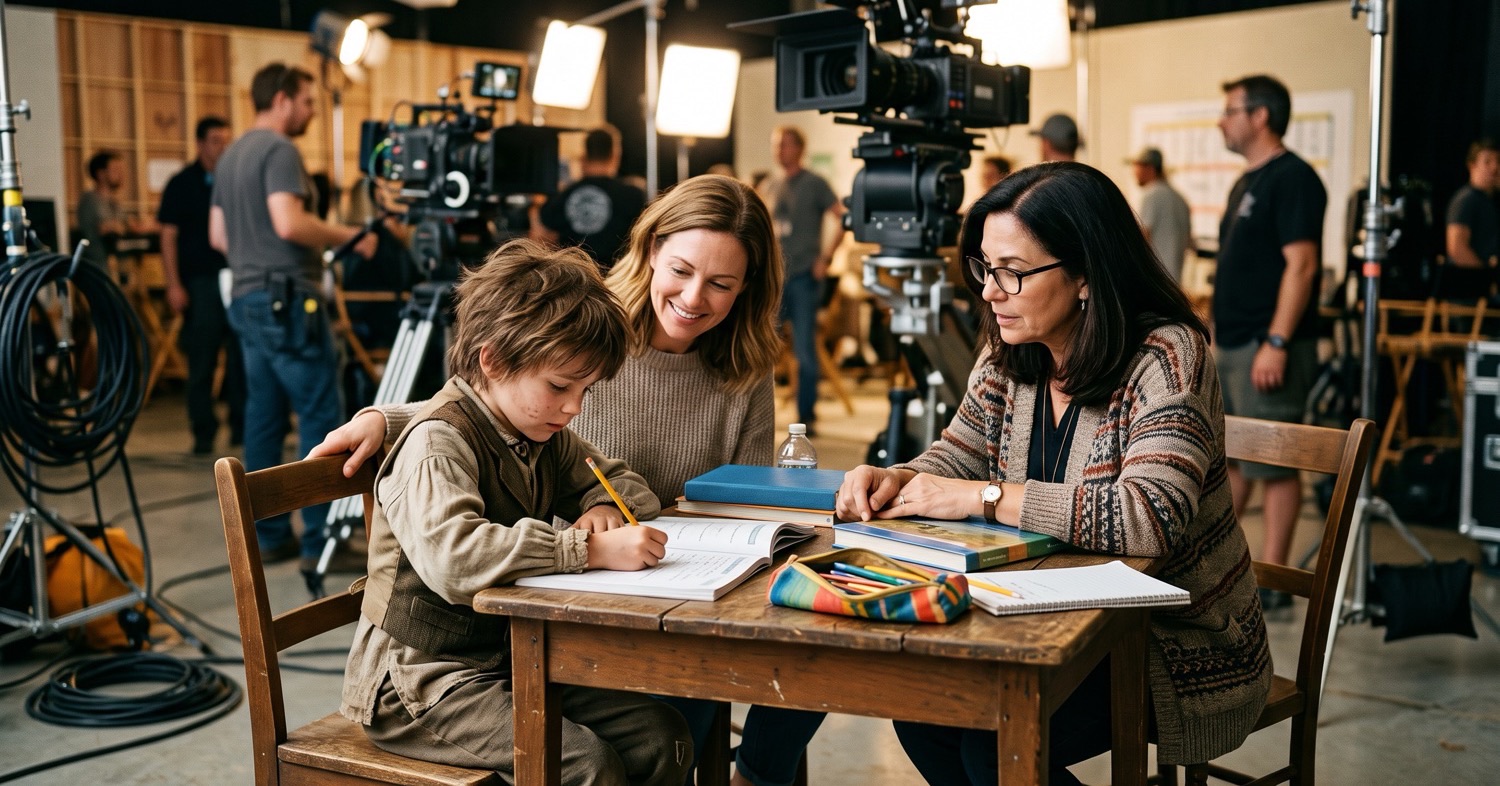
Working with Minors on Set (General Information, Rules Vary Locally)
Casting a minor changes production logistics well beyond an extra line on the deal memo. Work-hour limits, mandatory rest periods, on-set tutoring, and guardian presence are all typically required, and specifics — maximum hours, age brackets, permit requirements, whether a studio teacher or set teacher is required — vary significantly by jurisdiction, state or country labor law, and any applicable union agreement.
This post is general information only, not legal advice. If a minor is being cast, confirm the actual rules that apply — state/provincial labor department, union agreement, and local school district requirements — before you build the schedule around them, not after.
What productions typically plan for
At a high level, most jurisdictions with child labor protections for entertainment work address some version of the following. Confirm the specifics for your location before relying on any of it:
- Work-hour limits by age bracket — younger children are generally permitted fewer working hours per day than older minors, with age brackets and exact hour caps set by local law
- Mandatory rest and meal periods, often shorter turnaround requirements than for adult cast
- On-set schooling — a studio teacher or set teacher requirement during school hours, with a minimum number of instructional hours per day
- Work permits — many jurisdictions require a specific entertainment work permit for a minor before they can be employed on a production, separate from general casting paperwork
- Guardian presence — a parent or legal guardian is typically required to be on set (or nearby) for the duration of the minor's work
- Trust accounts — some jurisdictions require a portion of a minor performer's earnings be placed in a protected trust account (commonly referenced as "Coogan Law" requirements in the US, though the specific mechanism and threshold vary by state)
None of the above should be treated as the actual rule for your production — it's a general shape of what to check for, and the real numbers and requirements come from your jurisdiction's labor authority and any applicable union agreement.
Scheduling around a minor's hours
Once you know the actual limits that apply, scheduling a minor's scenes takes real planning, not just an entry on the call sheet:
- Build the minor's total available working hours into the shoot day before scheduling their scenes — not after
- Cluster their scenes to minimize total number of shoot days, same principle as scheduling any day player, but with a harder ceiling on daily hours
- Budget time for required tutoring hours as part of the day, not squeezed around it
- Build in schedule buffer — a minor's scenes are the least flexible thing on your schedule if the day runs long, because you generally cannot simply extend their hours the way you might ask an adult crew member to push through
A one-liner or day-out-of-days view that clearly flags every day a minor is booked, alongside their permitted hours, helps the 1st AD avoid accidentally scheduling a scene that runs past a hard cutoff. See what is day out of days for how that document tracks cast-specific scheduling detail generally.
Casting and paperwork specific to minors
The casting process itself follows the same shape as casting an indie film — breakdown, self-tape, callback, offer — with additional paperwork layered on top:
- Work permit application, typically filed before the minor's first work day
- Guardian consent and the talent release co-signed by a parent or legal guardian
- Trust account setup where applicable
- Confirmation of tutoring arrangements (production-provided studio teacher vs. an arrangement with the minor's own school)
Start this paperwork as early as possible — permit processing times and school coordination can take longer than a typical indie prep schedule assumes, and this is one area where "we'll sort it out on set" reliably backfires.
On set: guardian, tutor, and crew etiquette
A few practical notes that apply regardless of jurisdiction:
- The guardian or a designated chaperone should always know where the minor is and be reachable, not off-set on a break at the same time the AD needs them
- Build tutoring hours into the schedule as a fixed block, the same way you'd block lunch — treat it as non-negotiable, not something the day squeezes out when running behind
- Brief the full crew, not just cast-adjacent departments, that a minor is on set that day — general set etiquette around language and conduct gets stricter, and that's worth a quick note at the morning safety meeting rather than assumed knowledge
Verify before you schedule
Every number in this post — hours, age brackets, permit requirements — varies by state, country, and union agreement, and labor rules for minors in entertainment are actively enforced. Confirm the actual requirements with your local labor authority or an entertainment attorney before finalizing a schedule that includes a minor, not after you've already booked the day.
Build the schedule around the real constraints
Once you know the actual hour limits and tutoring requirements that apply, the practical work is making sure the schedule respects them every single day a minor is booked — not just on paper during prep. Production Slate's schedule feature builds your day out of days directly from the script breakdown, so every day a minor's scenes are booked is visible alongside the rest of the shoot, making it easier to catch a schedule that's pushing past what you've confirmed is allowed.
Written by Production Slate · Production Slate